
Having the blues doesn’t always have to be a bummer. Klaus Vedfelt / Getty Images
Types of blue span everything from the pale tint of a baby blanket to the deep tone of a navy uniform. In color theory, blue represents calm, stability, and sometimes sadness — but the color is far from one-dimensional.
Whether you’re mixing paint, studying pigments, or selecting a shade for design, blue offers a broad palette of moods and meanings.
Contents
- Sky Blue
- Navy Blue
- Baby Blue
- Royal Blue
- Egyptian Blue
- Midnight Blue
- Lavender Blue
- Powder Blue
- Cornflower Blue
- Teal Blue
- Neon Blue
- Ultramarine
- Space Cadet
- Periwinkle
- Steel Blue
1. Sky Blue

Blue sky. shomos uddin / Getty Images
This light blue color mimics a clear midday sky. It’s one of the most common colors used in baby boys’ clothing and often suggests openness or tranquility. Sky blue sits between cyan and white in the blue color palette.
2. Navy Blue

Navy blue shirt. The Good Brigade / Getty Images
A dark shade of blue often associated with uniforms, navy blue is nearly black. It’s a staple in corporate branding and fashion for its formality and authority. It falls in the category of strong blue colors.
3. Baby Blue

Baby blue. Elena Zaretskaya / Getty Images
Baby blue is a soft, pastel variation of blue. Used often in nurseries and baby products, this blue shade evokes innocence and calm. In printing and design, it’s frequently used to offset brighter tones.
4. Royal Blue

Royal blue feathers. Alvin Huang / Getty Images
This vivid blue color was named in the early 19th century after a shade created for a royal dress (in a competition to clothe Queen Charlotte of England). It’s richer than sky blue but lighter than navy, often chosen to create contrast in blue paint or digital art palettes.
5. Egyptian Blue
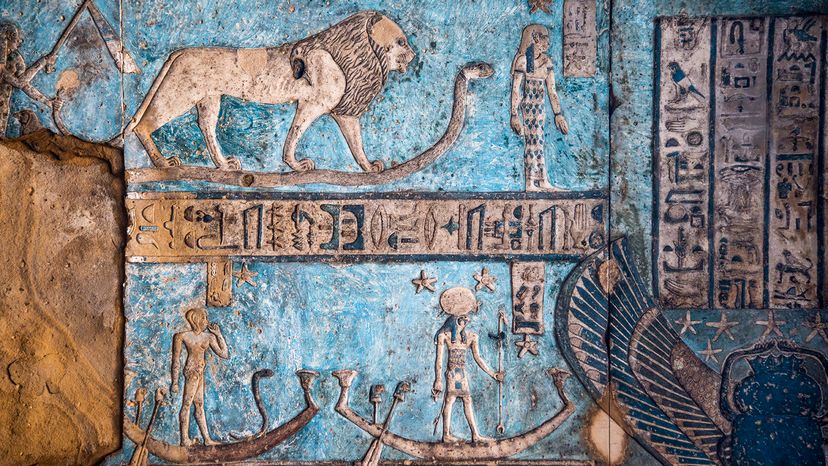
Egyptian blue. Paul Biris / Getty Images
Egyptian blue, the world’s oldest known synthetic pigment, was used to decorate ancient tombs and artifacts. It’s a blue-green color with historical roots in ancient art and science.
6. Midnight Blue
Midnight blue is a very dark blue, close to black. It’s often used in formal wear and evokes a sense of elegance or deep space — literally and emotionally.
7. Lavender Blue
A mix of blue and purple, lavender blue has a slight violet tint. It straddles categories in the color spectrum and appears in both fashion and floral depictions.
8. Powder Blue

Powder blue suit. FreshSplash / Getty Images
Powder blue is another light, soft blue often used in interiors and formalwear. It gained popularity as a gentle alternative to white or beige.
9. Cornflower Blue
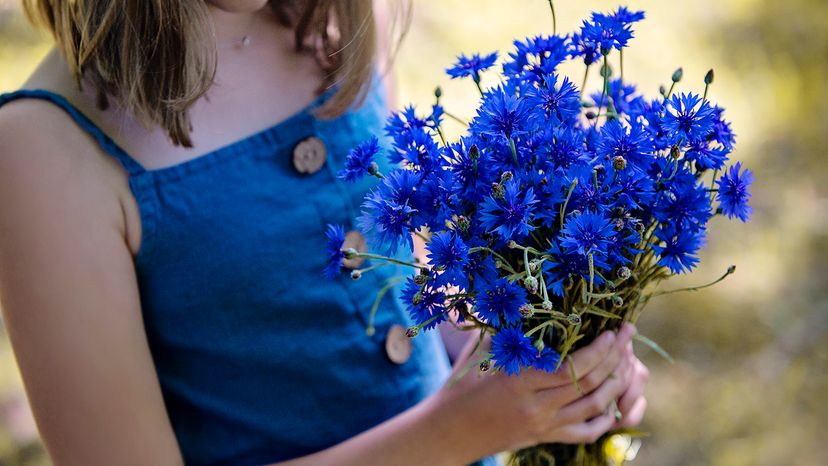
Cornflower bouquet. mrs / Getty Images
This medium-light shade has a subtle purple undertone. It’s named after the cornflower plant and is popular in textiles and wedding themes.
10. Teal Blue

Teal blue dress. Tony Anderson / Getty Images
Teal blue blends blue and green, creating a refreshing and modern hue. Often used in website design and branding, it strikes a balance between cool and lively.
11. Neon Blue

Neon blue lights. diyun Zhu / Getty Images
Neon blue is a bright, synthetic-looking color often seen in signs and screens. Its vivid saturation makes it perfect for drawing attention.
12. Ultramarine
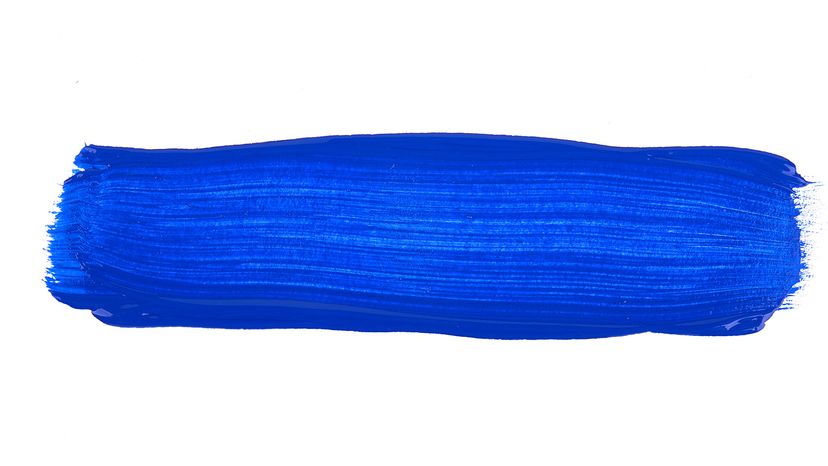
Ultramarine. Yevgen Romanenko / Getty Images
Derived from the semiprecious lapis lazuli stone, ultramarine was once considered more valuable than gold. It’s a deep, rich pigment that plays a central role in historical painting.
13. Space Cadet
This unusual dark blue shade is a relatively new color name (first formulated in 2007) and now appears in modern color standards, including design palettes and color lists. It implies futuristic or tech-savvy aesthetics.
14. Periwinkle
Periwinkle sits between blue and purple. It’s gentle and often used in spring color palettes for both fashion and decor.
15. Steel Blue
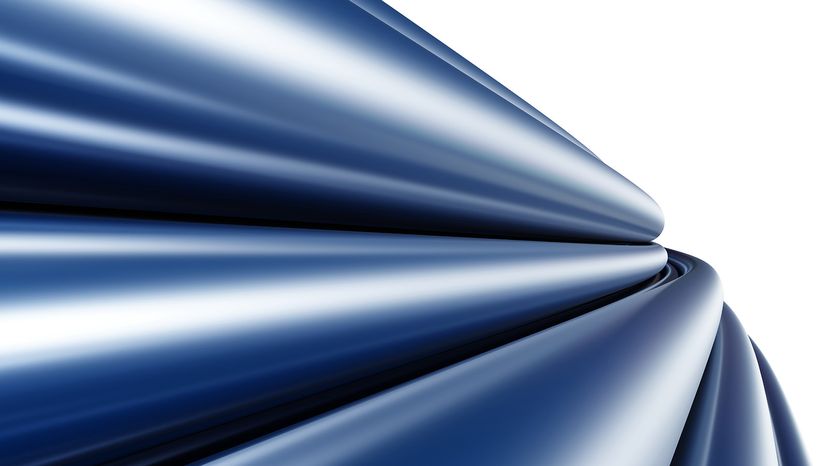
Steel blue. Flavio Coelho / Getty Images
Steel blue is a medium-to-dark blue with a grayish tint. It’s commonly used in uniforms and industrial design due to its subdued, professional tone.
We created this article in conjunction with AI technology, then made sure it was fact-checked and edited by a HowStuffWorks editor.
